Department of Geochemistry

Video file

Department of Geochemistry is occupied with research of composition, structure and properties of rocks including coal and derivatives using methods of surface chemistry, geochemistry and petrology. There are studies in processes of origin and accumulation of organic substance in rocks and in characteristics of biological sources and palaeo- environment. Products of not perfect combustion in relation with contamination of the environment and problems of carbon dioxide as a greenhouse gas are studied.

International Cooperation

Kyushu University
Japan
National Research Center
Egypt

Project Coke production using plastic wastes from Egypt and Czech Republic, Pyrolysis of coal/rubber blends in cokemaking,

Investigators: Ivana Sykorova, Martina Havelcova, Ahmed Melegy

Universität Leoben
Austria

Biomarkers and petrographic parameters: relationship between them and limits of their explanatory power, 13-18482S

United States Geological Survey, Reston
USA

Projekt ICCOP - Interlaboratory Study of D7708-Standard Test Method for Microscopical Determination of the Reflectance of Vitrinite Dispersed in Sedimentary Rocks, Investigator: P.C. Hackley, Co-worker I. Sykorova and other 26 co-investigators from 15 countries

University of Sielsia in Sosnowiec
Poland

Project ICCOP - Self-heating of coal and coal wastes

University of Porto
Portugal

Classification of coal structures from self-heated coal and coal wastes.
Projekt ICCOP (Self-heating of coal and coal wastes)

INCAR (Instituto Nacional del Carbon, Oviedo)
Spain

Projekt ICCOP - New Handbook of Coal and Organic Petrology Editorial Board,

Investigator: I. Sykorova, I. Suarez Ruiz, K. Christanis

University of Patras
Greece

Project ICCOP - New Handbook of Coal and Organic Petrology Editorial Board,

investigators: I. Sykorova, I. Suarez Ruiz, K. Christanis

University of Salzburg
Austria

Publications:

- Finger F., Rene M., Verner K.: Bavarian phase and origin of the South Bohemian Batholith. - Journal of Geosciences

- Finger F., Verner K., Rene M., Dörr W.: Petrology of orthogneisses from the Strazek Moldanubian. - International Journal of Geoscinces
RWTH Aachen University, Austria
Austria

Results

Distinction between consecutive construction phases by combined microscopic study and quantitative pore space analysis: Case study of Horn's Bastion, Riga Castle (Latvia)

2022

Rasina M., Lusens M., Racek M., Přikrylová J., Weishauptová Z., Řimnáčová D., Přikryl R., 2022. Distinction between consecutive construction phases by combined microscopic study and quantitative pore space analysis: Case study of Horn’s Bastion, Riga Castle (Latvia), Journal of Cultural Heritage, Volume 57, September–October 2022, Pages 88-96. DOI:  doi.org/10.1016/j.culher.2022.08.004

Free-Blockage Mesoporous Silica Nanoparticles Loaded with Cerium Oxide as ROS-Responsive and ROS-Scavenging Nanomedicine

2022

Purikova O., Tkachenko I., Smid B., Veltruska K., Dinhova T.N., Vorokhta M., Kopecky V., Hanykova L., Ju X.H., 2022. Free-Blockage Mesoporous Silica Nanoparticles Loaded with Cerium Oxide as ROS-Responsive and ROS-Scavenging Nanomedicine. Advanced Functional Materials 32, 2208316. doi.org/10.1002/adfm.202208316

Characterization of gas diffusion layer transport properties by limiting current approach

2022

Yakovlev Y.V., Rodríguez M.G., Lobko Y.V., Vorokhta M., Kúš P., Matolínová I., Matolín V., 2022. Characterization of gas diffusion layer transport properties by limiting current approach. Electrochimica Acta, Volume 404, February 2022, DOI: doi.org/10.1016/j.electacta.2021.139755

Investigation of Accessory Minerals from the Blatná Granodiorite Suite, Bohemian Massif, Czech Republic

2022

René M., 2022. Investigation of accessory minerals from the Blatná granodiorite suite, Bohemian Massif, Czech Republic. In: René M. (ed.) Mineralogy, IntechOpen Ltd., London, 165–185. DOI: 10.5772/intechopen.102628

Geology and Petrography of Uraniferous Bitumens in Permo-Carboniferous Sediments (Vrchlabí, Czech Republic)

2022

Publication: Havelcová M., Sýkorová I., René M., Mizera J., Coubal M., Machovič V., Strunga V., Goliáš V., (2022): Geology and Petrography of Uraniferous Bitumens in Permo-Carboniferous Sediments (Vrchlabí, Czech Republic). Minerals 12, 544. DOI: doi.org/10.3390/min12050544

Projects

Momentálně nejsou dostupné žádné řešené projekty.

Níže je dostupný seznam již ukončených projektů.

Archived

Řešeno v letech: 2004-2007

Services

Fuel analysis


Dry sample handling (ČSN 44 1304)  

Martina Havelcová

Wet sample handling (ČSN 44 1304)  
Sieving      
Determination
Determination of moisture content (ČSN 44 1377)   Martina Havelcová
Determination of ash content (ČSN ISO 1171)  
Determination of volatile matter content (ČSN ISO 562)      
Determination of gross calorific value (ČSN ISO 1928)       
Determination of total carbon and hydrogen contents(ČSN 44 1355)  
Determination of total nitrogen content – Kjeldahl method (ČSN ISO 333)       
Determination of total sulphur content (ČSN 44 1379)  
Determination of sulphur forms contents (ČSN ISO 157)  
Determination of total carbon, hydrogen and nitrogen content – Instrumental method (ČSN ISO 29541)     CHNS/O microanalyser Flash FA 1112 Thermo Finnigan

Determination of iodine number in activated carbon (ASTM-D4607)     
 
Determination of carbon dioxide content (ČSN ISO 925)       

Chromatografic analysis

Sample preparation
Sample extraction Soxhlet extraktor Büchi B-811, Dionex Accelerated Solvent Extractor Martina Havelcová
Determination of extracted fractions 
Analyses
Qualitative assessment of extractable compounds Trace Ultra - DSQ II ThermoScientificTrace 1310 GC - ISQ Thermo Scientific Martina Havelcová
Quantitation of extractable compounds
Determination of PAHs (ČSN 75 7554)
Determination of BTEX  
Determination of volatile organic compounds (headspace)  
Determination by pyrolysis-gas chromatography CDS Pyroprobe 5150 -Trace Ultra - DSQ II ThermoScientific

ICP laboratory

The method of optical emission spectrometry with inductively coupled plasma (ICP-OES) is used for the elemental analysis of water and solid matrices. The method enables the determination of a wide range of major, minor and trace elements. The spectrometer uses the principle of emission and subsequent detection of light radiation of ionized elements present in the sample. The operation of the device requires argon as a carrier gas for plasma generation. For the analysis of solid samples, it is necessary to ensure their decomposition and subsequent completion into solution

ICP/OES equipment
optical emission spectrometer with inductively coupled plasma Agilent 5900 with simultaneous axial and radial plasma observation (SVDV mode) 
• autosampler 
• Hg hydride vapor generator 
• PreeKem M6 microwave digestion with the HP16 rotor

Microwave digestion of coal, rock and sediments
Pseudo-total method (aqua regia)  

Martina Havelcová

Total digestion method (alkaline fusion)  
ICP-OES analysis
Up to 5 elements (of any kind) Spektrometr Agilent 5900

Martina Havelcová

5-10 elements (trace elements)
Over 10 elements (major plus trace elements)
Hg analysis

Sorption and porosimetric analysis

Sorption analysis
Determination of volume, surface area and distribution of micropores Gravimetrický sorpční analyzátor IGA - 100 (Hiden Isochema)

Martina Švábová
Maryna Vorokhta
Daniela Řimnáčová 
 

Determination of moisture content
Determination of sorption of water vapour and organic vapours
Determination of CO2 sorption capacity at atmospheric pressure and pressures up to 2 MPa
Determination of micropore volume and surface area according to the Lippens and de Boer Vads-t plot method Volumetric sorption analyser SURFER (Thermo Scientific) 
Determination of CO2 and CH4 sorption capacity under supercritical conditions High pressure manometric sorption apparatus (originally designed and manufactured equipment) Daniela Řimnáčová 
Porosimetric analysis
Determination of volume, surface area and distribution of meso-, macro- and coarse pores, apparent density and porosity Porosimeter Pascal 140 + 240 Porotec, Porosimeter PASCAL 140 + 440 EVO (Thermo Scientific)


Martina Švábová
Maryna Vorokhta
Daniela Řimnáčová 

Pycnometry
Determination of skeletal (helium) density Pyknometr Pycnomatic ATC (Thermo Scientific)


Martina Švábová

Materials preparation
Heating and cooling of materials in a temperature range of 25-1300 ºC in an inert atmosphere Tube furnace 8013 T (CLASIC)

Maryna Vorokhta

Physical activation of carbon materials using CO2

Petrographic analysis

Processing of samples and microscopic preparations
Macropetrographic characteristics and photo documentation of rock sediments including coal   Alexandr Šulc 
Preparation of piece and grain polish and think sections for analyzes of organic matter and minerals (ISO 7404 -2) Simplimet 3000, Leco GPX 300, Discoplan – TS, Logitech PM 5, Logitech CL 50
Micropetrographic analysis
Determination of light reflectance of coal and dispersed organic matter in rocks (ISO 7404 - 5) NIKON a systém analýzy obrazu Lucia - Laboratory Imaging Ivana Sýkorová  
Determination of the maceral composition of coal and dispersed organic matter in rocks (ISO 7404 - 3) Olympus BX51 a systém QDI Coal - CRAIC
Determination of microlithotype composition of coal (ISO 7404 - 4)  
Quality test of solid fuel for spits (ČSN-EN 1860-2)  
Determination of microhardness
 
DuraScan - 20, Struers

Chemistry Laboratory

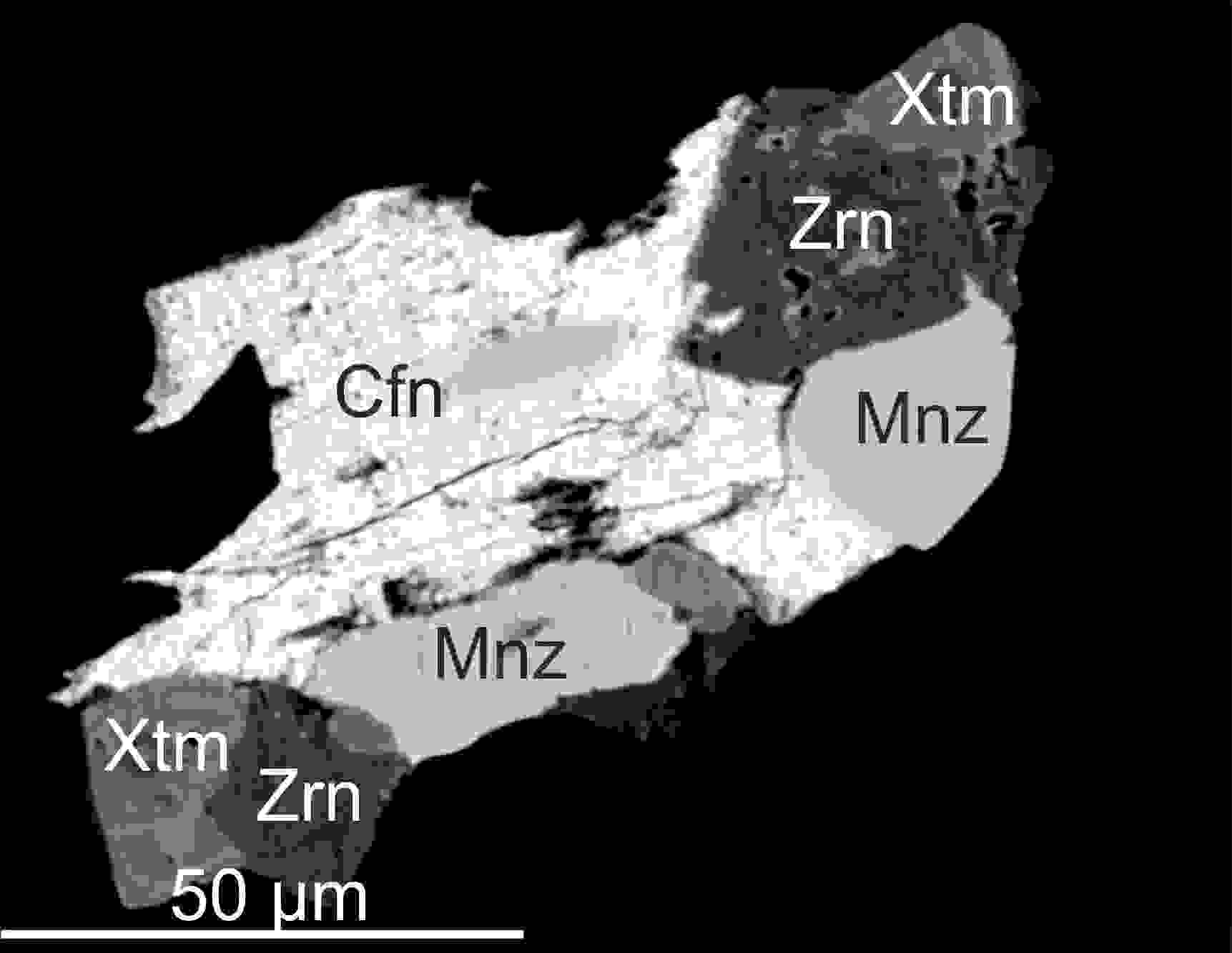
SEM BSE image of accessory mineral

The laboratories conduct chemical analyses of geological materials. Proximate and ultimate analyses are employed for the basic characterization of samples, providing information on moisture, volatile matter, fixed carbon, ash content, and elemental composition. Advanced analytical techniques, including gas chromatography–mass spektrometry and inductively coupled plasma optical emission spectrometry  are applied to determine the detailed organic and inorganic composition of the samples. The facilities are additionally equipped with sample-preparation instruments to ensure representative and homogeneous material prior to analysis.

Lenka Borecká
Doc. Mgr. Eva Geršlová, Ph.D.
Mgr. Martina Havelcová Ph.D.
Jan Kazda
Ing. Vladimír Machovič, CSc.
Mgr. Alexandra Malhocká (Špaldoňová), Ph.D.

Microscopy Laboratory

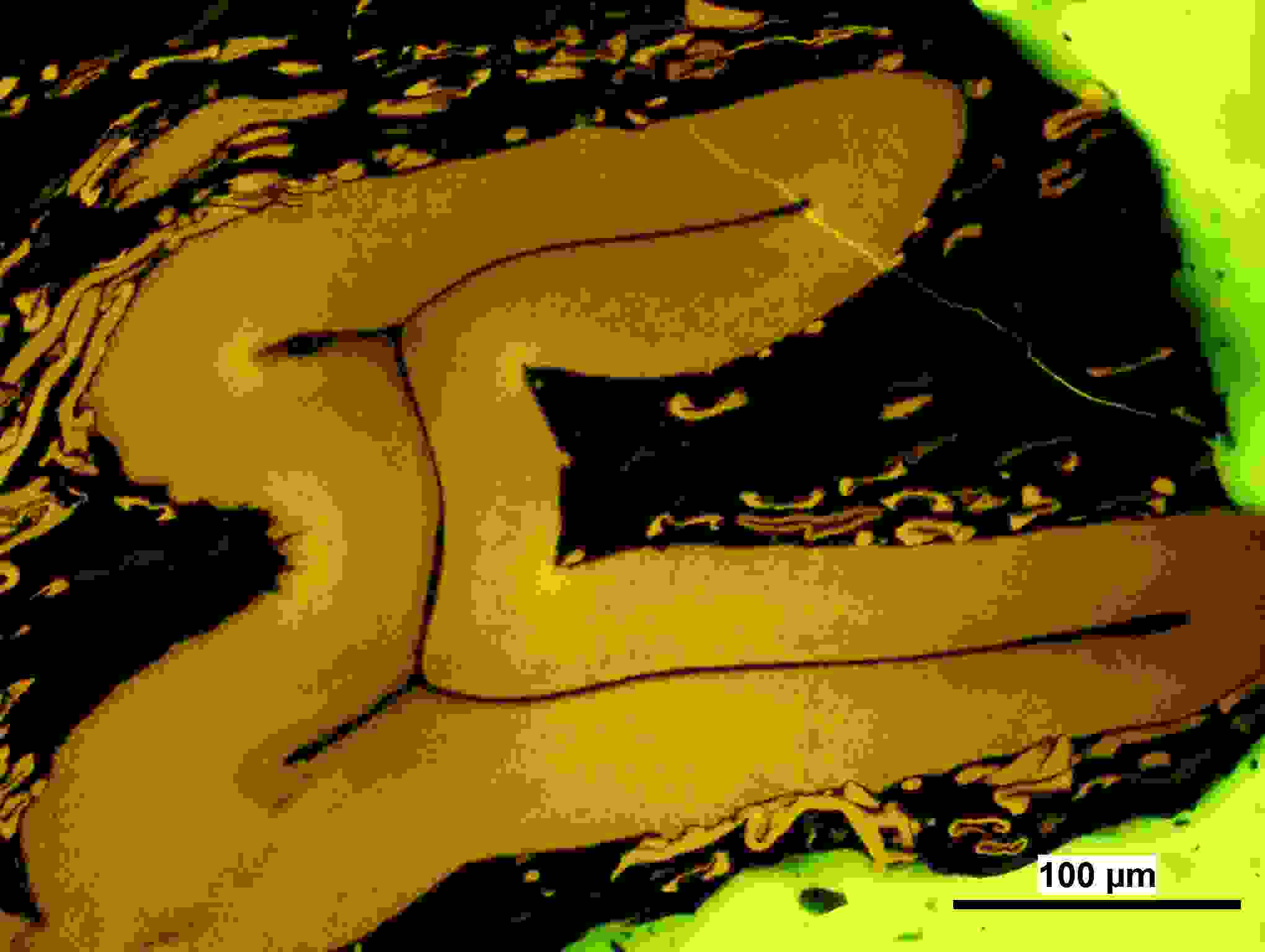
Prokop Coal

The laboratory employs optical microscopy to study the composition and structure of rocks, sediments, coal, and other materials within the framework of organic petrology and paleontology. Microscopic observations are carried out using instruments equipped for reflected and transmitted light, as well as fluorescence microscopy. A dedicated preparation room is available for producing thin and polished sections of samples.

Msc. Tatiana Larikova, PhD.
RNDr. Miloš René, CSc.
Ing. Ivana Sýkorová, DrSc.
Alexandr Šulc

Laboratory of Sorption and Porosimetric Analyses

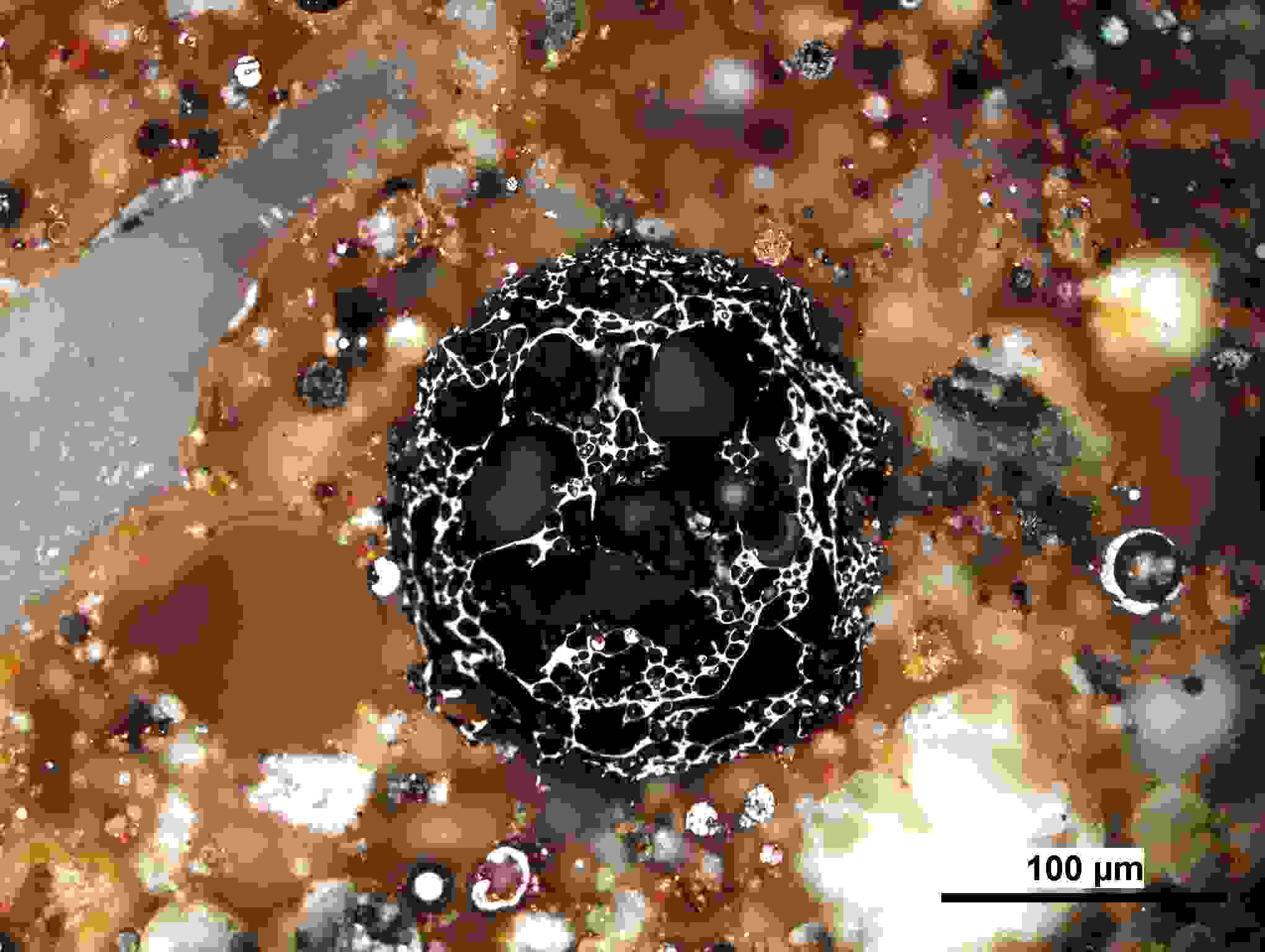
porous char

The laboratory focuses on the study of porous textures of rock materials and their alterations induced by both environmental conditions and technological processes. In cooperation with the Faculty of Science of Charles University in Prague, a joint laboratory is established for effective use of the instrumental equipment of both parties for addressing issues in the fields of basic and applied research. Sorption properties of porous materials from various media are tested, including sorption of contaminants from water and sorption of gases and vapours.

Alena Jandečková
Marta Koptová
Ing. Daniela Řimnáčová, Ph.D.
Ing. Martina Švábová, Ph.D.
Mgr. Maryna Vorokhta, Ph.D.
Ing. Zuzana Weishauptová, DrSc.